Oura v Ultrahuman: step in the ring
Oura used one acquired patent to ban Ultrahuman from the US market. Ultrahuman had no patents to fight back with, so it took the difficult but pragmatic choice of redesigning its ring. What the smart ring fight teaches founders building the alternative in someone else's market.

Oura admitted something that undid much of its own win. A smart ring made from a single piece of titanium, it conceded, would fall outside the patent it had used to ban Ultrahuman from the US.
Five months later, US Customs agreed and cleared Ultrahuman's redesigned ring. Ultrahuman was back on sale in America.
That moment sums up the whole dispute. Neither company really chose its strategy. Oura had the patents, so it enforced them. Ultrahuman had none it could use, so it redesigned. This case study illuminates some hard but useful lessons for challenger founders building the alternative in someone else's market. The leader almost certainly has patents. The real question is what you will do when those patents are used against you? Do you have contingencies, alternative product roadmaps, or possibly your own patents that are straegic enough for the leader to cross-licence?
Two players, two hands
The available options in any patent dispute are mostly set before it starts. Those options depend on what you filed, what you bought and what you left unprotected.
What you are up against
Oura created the modern smart ring market. Alas, even with patents, being first only lasts so long. Unless you can in fact consoldiate a catgeory-defining portfolio, competitors will find a way on. Patents, and the strength or those patents, are the way a pioneer makes it expensive for competitors to follow you into your market.
Oura's S-1 says it held more than 1,140 patents and applications as of mid-2026, which is a very consideration portfolio. Oura also carries about US$109 million of patents on its balance sheet, a figure that points to patents bought, not just filed. A patent owner in that position can ban rivals, charge them, or force them to redesign.
Where you stand
Ultrahuman arrived later, into a market Oura had already staked out. A challenger's patents usually cover its own improvements, not the basics everyone uses. That makes them good for standing out and poor for bargaining. Sometimes the redesign appeals to customers, sometimes it really is just a commercial compromise.
A challenger can fight the patent, pay for a licence, leave the market or redesign.
The gap
Oura held a US patent on the basic way a smart ring is built. Ultrahuman, as far as the public record shows, held nothing it could assert against Oura in the US. Every move that followed is explained by that gap.
The patent
Oura's weapon was US Patent 11,868,178. Oura didn't invent it. It began at Motiv, an earlier smart ring maker, and reached Oura in 2023 by way of Proxy.
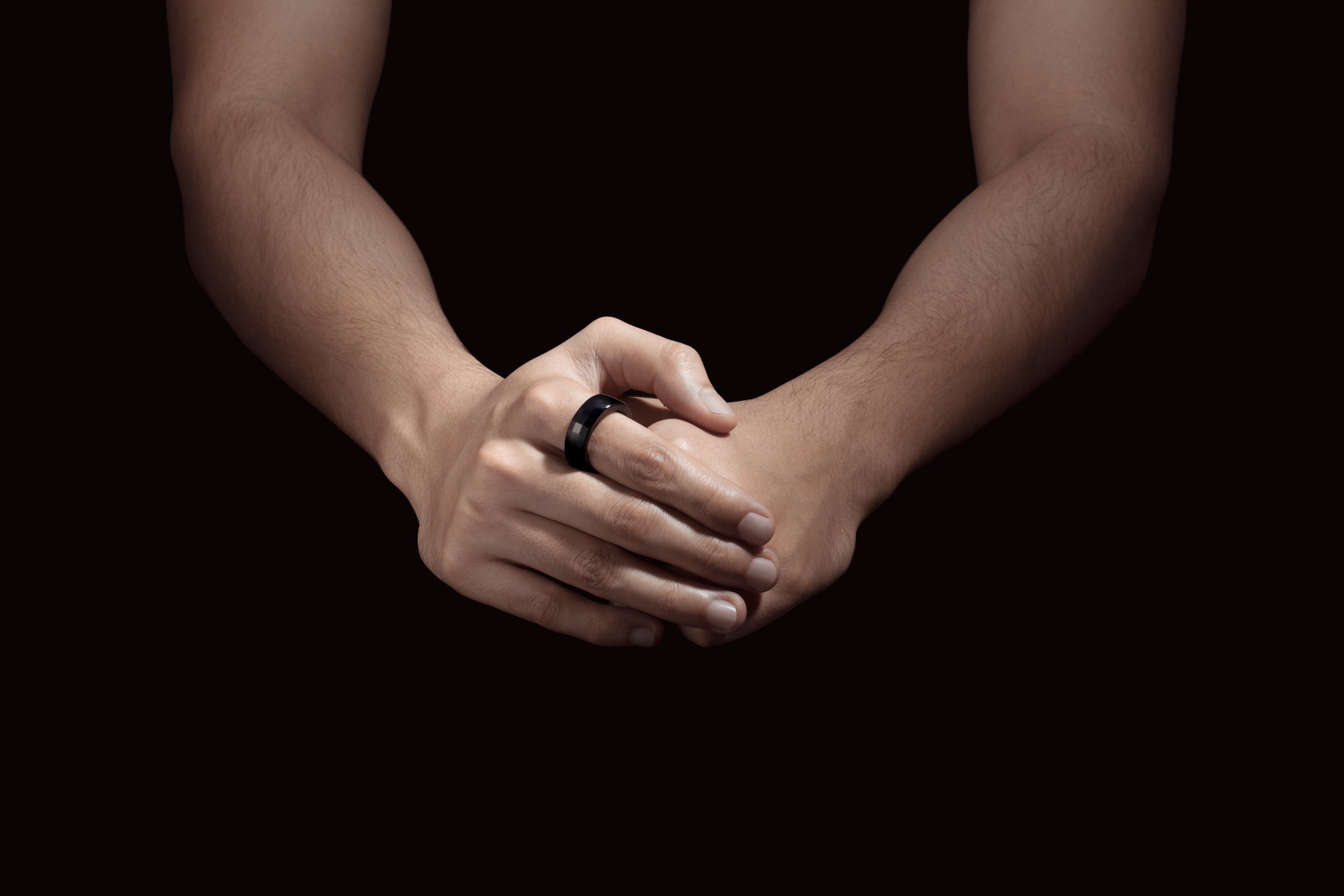
The patent covers a ring built from two shells, an outer and an inner, with the battery and circuit board in the gap between them. That is how the rings Oura targeted were built.
Oura took it to the US International Trade Commission 63 days after it was granted. The ITC can't award money, but it can stop products at the border. For a rival that earns much of its revenue in the US, that is far worse than a damages bill.
Pay, leave or fight
Oura went after most of its rivals, and each faced the same three choices. Here is how six of them chose.
- Circular: paid for a licence early, in 2024.
- RingConn: fought, lost, then paid for a licence in October 2025.
- Nexxbase (Luna Ring): agreed to leave the US market in January 2026.
- Zepp (Amazfit): settled in July 2026.
- Ultrahuman: fought, was banned, then redesigned.
- Samsung: fought back with its own patents.
Four of the six paid or left. That is what owning a category looks like: you don't have to beat everyone, just make paying cheaper than fighting.
The two that fought are the interesting ones, because they fought with very different hands.
Ultrahuman: nothing to bargain with
Ultrahuman tried several ways out. Most of them didn't work.
It argued the patent was invalid. The ITC disagreed. A separate challenge by Samsung at the US Patent Office also left the key claims standing.
It sued Oura in India. The Delhi High Court dismissed the case; Oura says the court found Ultrahuman had concealed the US rulings. Either way, an Indian patent does not affect Oura's US sales.
It damaged its own credibility. Ultrahuman told the ITC it was setting up a factory in Texas, which could have softened a ban. The judge found its CEO not credible after evidence the factory images were altered.
What worked was engineering. Ultrahuman rebuilt its ring as a single titanium tube, with no separate inner and outer shell. No two shells meant no gap between them, and so nothing for the patent to catch.
Customs cleared the new Ring Pro in March 2026. There are conditions: Ultrahuman must certify its imports, and Customs can demand CT scans to prove the tube really is one piece.
The fix wasn't free. Ultrahuman lost months of US sales, in a market was half its sales. But for a challenger with nothing to trade, it was the only move that worked.
Samsung: a challenger with patents of its own
Samsung was also a newcomer to smart rings, but it held a very different hand. It is the only rival that could answer Oura's patents with its own.
When Oura sued in late 2025, Samsung hit back with its own ITC complaint, asserting four Samsung patents and asking for the Oura Ring itself to be banned. For the first time, the category owner's own product was in jeopardy. When both sides can do damage, disputes usually end in a deal rather than a ban.
What the challenger should take from it
Set aside the press releases, and four simple points come out of this fight.
1. The leader doesn't have to be the inventor
Oura created the market, but the patent it used came from someone else. Don't just search the leader's own filings. Look specifically at what it has bought, and contemplate that they make fiurther strategic acquisitions.
2. One patent can be designed around
Oura's patent covered one way of building a ring: two shells with a gap. Ultrahuman found another way. Your engineers are your best defence, but expect the leader to come back with more patents. Oura sued Ultrahuman again within two weeks, on five more patents.
3. A ban only works if you can't hit back
The same patent drove smaller rivals to pay or leave, but drew a counter-attack from Samsung. The patent didn't change; the opponent did. Leaders ban the weaker competitor and negotiate with the stronger competitor.
4. Your patents are bargaining chips
Ultrahuman's Indian patent may protect genuine innovation, but it was useless in any dispute over the US market. Your patents don't need to own the market. They need to cover something the leader uses, in the country where the leader sells.
Before you step in the ring
You can't choose whether the leader comes after you. You can plan for how you might response, and how you prepare when and if that happens.
If you make overseas and sell into the US
This exposure is easy to miss. If your product is made in Asia and shipped to the US, the ITC can stop it at the border, as it did to Ultrahuman. You don't need a US factory to be caught; you need a US market.
What to do now
- Check the leader's patents before you scale into its biggest market, including patents it has bought.
- Know your redesign before you need it: which feature you would change, and what it would cost.
- Build patents the leader would need, in the countries where it sells.
- Guard your credibility. When you have little leverage, it is the one asset you can't replace.
What the leader will do
- Assert patents on how the product is built, not just its features.
- Buy patents it didn't invent.
- File follow-on patents aimed at the obvious redesigns, and sue again when you make one.