Digital designs: Europe's new registrable asset
The EU's 1 July 2026 design law reform quietly rewrote design protection for companies that never considered it: animation, digital interfaces and virtual objects are now registrable, and a new enforcement right restricts unauthorised 3D printing. This is the first time European design law has been built with software and digital product companies in mind.

The European Union's design law reform, now fully in force after its second phase took effect on 1 July 2026 confirms design registration for animation, digital interfaces and virtual objects. There is also a purpose-built enforcement against unauthorised 3D printing. Design law now accomodates the needs of software and digital product companies, though physical products have not been forgotten either.
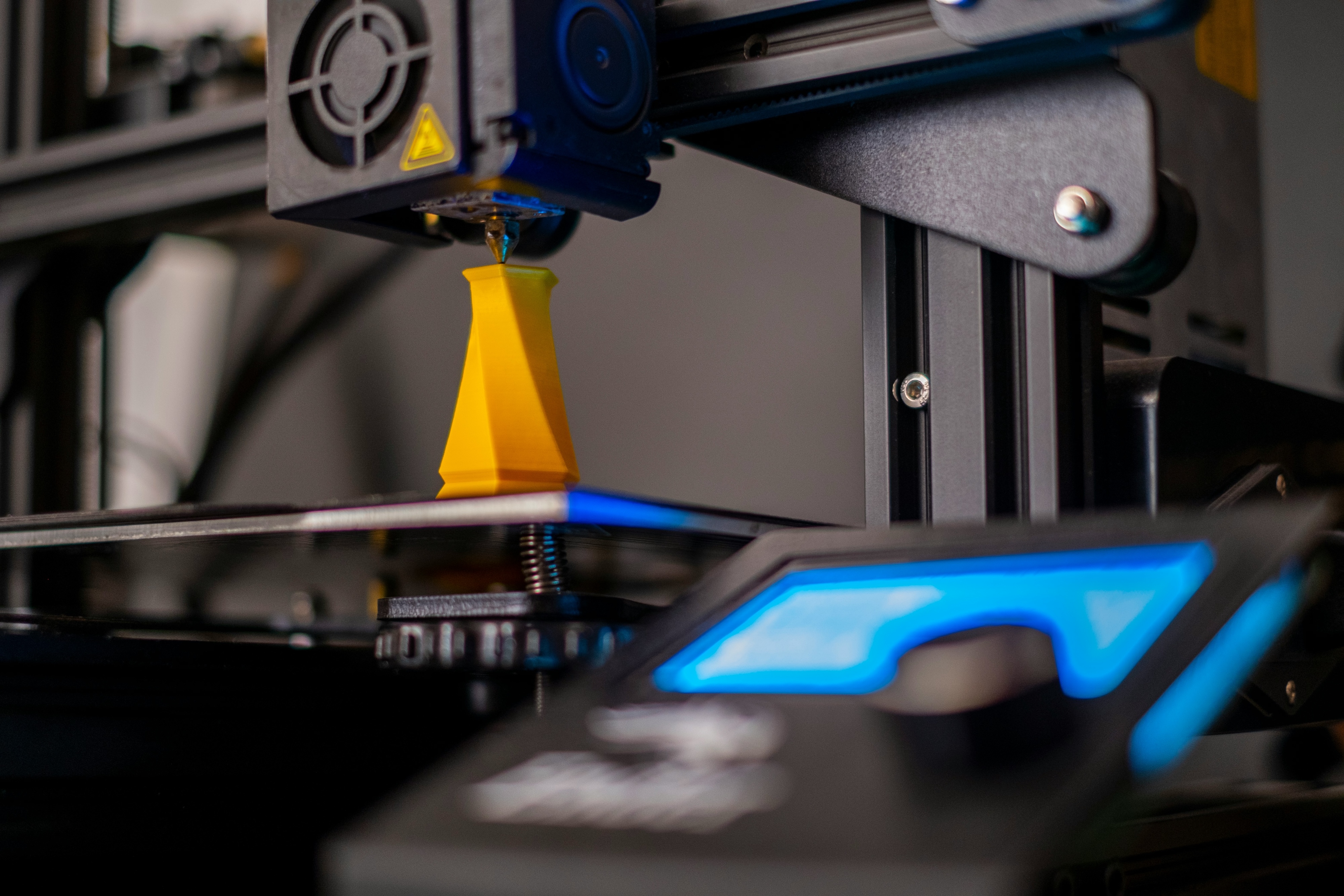
What's (perhaps?) even more impactful is this: registrability of 3D designs applies to physical products too. A physical product's design can be filed using an actual 3D model representation rather than the traditional set of static line drawings or photographs from different axes and angles as has conventionally been the practice. Preferred formats are mesh-only formats STL or OBJ which capture sufcae shape devoid of colour, texture, materials, assembly structure, and no parametric or editable design history found in CAD files. Applicants can export their product CAD files to STL,OBJ which firewalls what's being protected in a design protection from everything in the native CAD files that captures what actually goes into the product. There's also the possibility of filing an animated representation via MP4, which is accepted with tight technical rules: H.264 codec only, 24–30 fps, bit rate 1,200–8,000 Kbps, minimum resolution 1280×720, ISO/IEC 14496-14:2003 container, and no audio track.
Why this reform matters beyond Europe
The reform arrived in two instruments: Regulation (EU) 2024/2822, amending the existing Community design regulation, and Directive (EU) 2024/2823, recasting the design directive for EU member states. Both were published in the Official Journal on 18 November 2024, but the practical changes rolled out in stages. Phase one, effective 1 May 2025, introduced multi-class filings of up to fifty designs in a single application, removed the old unity-of-class requirement, added deferred publication, introduced the new Ⓓ symbol, and created a repair and spare-parts clause. Phase two, effective 1 July 2026 under Delegated Regulation 2026/137 and Implementing Regulation 2026/138, added new filing formats: static images, dynamic 3D files, and animated video representations up to 20MB, alongside streamlined procedures for uncontested invalidity actions.
Design law finally describes what companies actually build
The reform redefines design to expressly include movement, transition and animation. It redefines product to include non-physical and virtual items: graphical user interfaces, augmented and virtual reality objects, and spatial arrangements such as digital layouts. A product no longer needs to be manufactured to qualify. It needs only to be perceptible and distinctive.
This is the first time European design law has been drafted with a software company's actual output in mind, rather than forcing that output into a framework built for furniture and consumer goods. An onboarding animation, a distinctive UI transition, or a virtual showroom layout can now be registered in the same way a chair or a bottle always could. Not everything you create digital will be worth registering, but there can be real value in being strategic.
The enforcement right nobody is watching yet
Alongside the definitional expansion, the reform introduces a new right under Article 19(2)(d) of the EU Design Regulation: the ability to restrict the creation, downloading, copying or sharing of files that record a protected design. This is aimed squarely at 3D printing and digital replication, and it is the first design right of its kind.
Whether this right cleanly captures CAD files in practice remains genuinely contested. The courts have not yet tested the boundary. Companies should not assume the protection is broader than it currently is, but they should recognise that a boundary worth testing now exists where none did before.
The strategic gap is filing behaviour
Competitors who file first under the new regime lock in protection over UI states, onboarding sequences and product motion that used to sit entirely outside the reach of design registration. There will be cases in which certain aspects of UI/UX will definitely be worthwhile registering. If you operate in an area where proprietary digital interaction is critical, this development should receive your full attention.
Three actions are worth taking now. First, inventory design-eligible digital assets for new products: distinctive UI states, onboarding animations, packaging, and any virtual or spatial assets. Second, treat design filing on digital assets as time-sensitive rather than routine, and plan to act before launch. Third, fold design review into the same cadence as trade mark and patent review.